
HR Tech For The Four-Day Workweek And Outcome-Based Employment

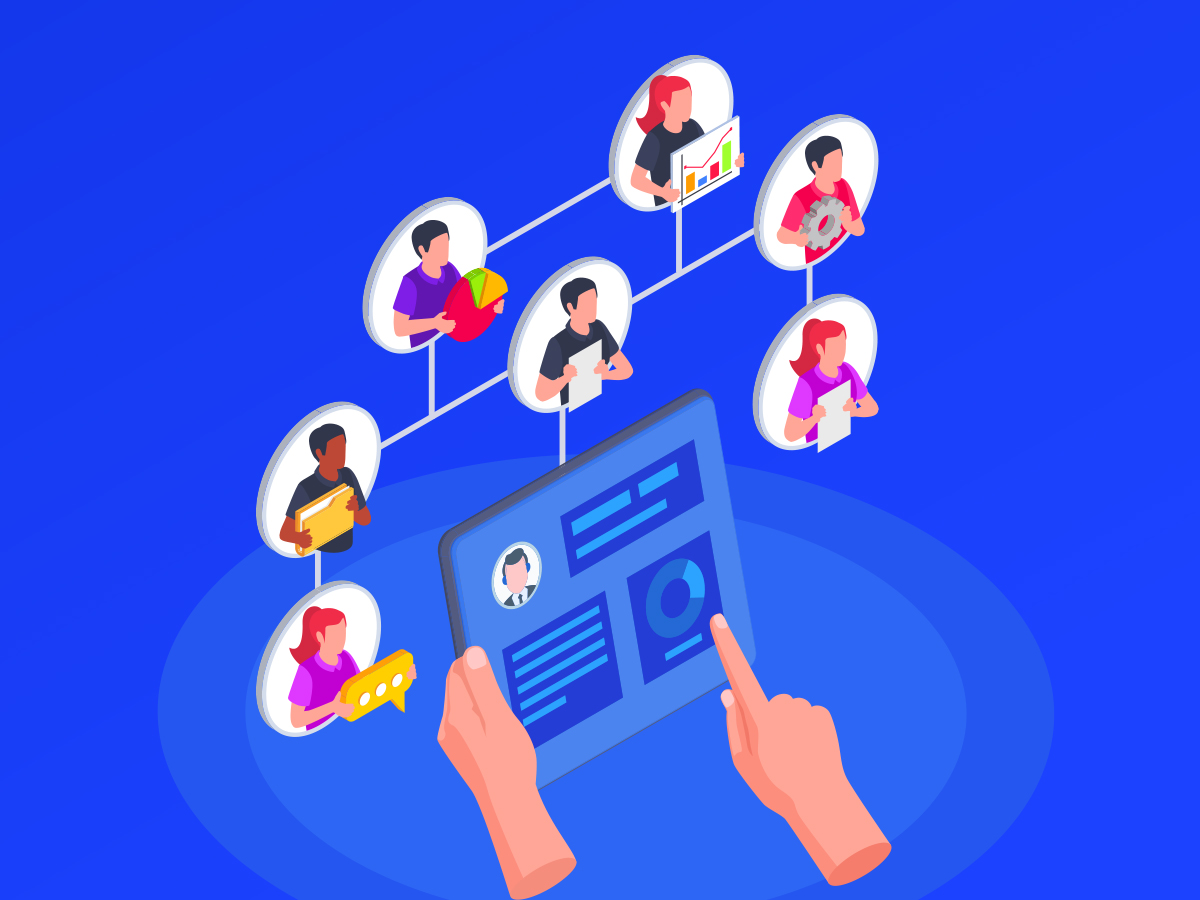
The modern workplace is experiencing one of the most significant transformations in its history. For decades, organizations measured productivity primarily through the number of hours employees spent at their desks. Traditional employment structures were built around fixed schedules, rigid office attendance, and time-based performance expectations. However, the rise of the digital economy has fundamentally changed how businesses operate, communicate, and evaluate success. Today, organizations are increasingly shifting away from measuring work through hours and toward evaluating outcomes, efficiency, and impact. At the center of this transformation is Hr tech, which is rapidly becoming the foundation of flexible and intelligent workforce management.
The evolution of workplace models has accelerated dramatically over the last few years. Remote work, hybrid employment structures, and flexible schedules have become standard practices across industries. Companies are no longer limited by geography when hiring talent, and employees now expect greater autonomy over how and where they work. This shift has also influenced leadership strategies, performance management systems, and organizational culture. Hr tech platforms are enabling companies to manage distributed teams, automate administrative processes, and monitor workforce productivity without relying on traditional attendance-based systems.
Another major factor driving this change is the growing awareness of employee well-being and work-life balance. Long working hours and rigid schedules are increasingly associated with burnout, disengagement, and declining productivity. Organizations are beginning to realize that employee performance is not necessarily tied to time spent working but rather to the quality and effectiveness of the work delivered. Hr tech solutions powered by artificial intelligence, workforce analytics, and automation are helping companies create healthier and more productive work environments.
Outcome-based employment models are now gaining momentum across multiple sectors. Instead of rewarding employees for simply being present, businesses are focusing on measurable deliverables, project completion, customer impact, innovation, and overall contribution. Hr tech systems are essential in supporting this transition because they provide the tools necessary to measure performance objectively, track goals, and optimize workforce productivity in real time.
Artificial intelligence, analytics, automation, and workforce intelligence technologies are becoming deeply integrated into modern employment structures. Hr tech now plays a strategic role in talent management, employee engagement, productivity monitoring, and organizational planning. As businesses continue experimenting with flexible schedules such as the four-day workweek, Hr tech will remain central to balancing flexibility with performance expectations.
Outcome-Based Employment Concept Core Principles and Definition
Outcome-based employment refers to a workforce model where employee performance is evaluated based on results, deliverables, and measurable business impact, rather than just the number of hours worked. This model prizes efficiency, accountability and productivity over physical presence or fixed hours. This shift is supported by hr tech platforms that enable organizations to keep tabs on objectives, evaluate employee performance and maintain operational visibility during flexible work arrangements.
Traditional time-based employment models rely heavily on attendance tracking, office hours, and visible activity. On the other hand, outcome-based employment measures success through completed projects, customer satisfaction, innovation, collaboration and performance goals. This change is made possible by hr tech tools offering performance dashboards, project tracking systems, and data-driven insights into productivity that enable organizations to evaluate employees more effectively.
The core idea of outcome-based work is trust. Employees have the freedom and independence to get the job done, and they are accountable for results. Hr tech solutions assist organizations to maintain this accountability through creating transparent workflows, real-time communication channels, and measurable performance indicators. Businesses no longer monitor every minute of work, but whether employees are hitting agreed objectives in set timeframes.
Another key component of outcome-based employment is productivity optimization. Companies are starting to realize that work quality may improve when employees are given the freedom to organize their own schedules. Hr tech systems help companies to identify productivity trends, workload imbalances and collaboration patterns that affect performance outcomes.
Why Businesses Are Moving Toward Outcomes?
Digital transformation is one of the biggest drivers of outcome-based employment. Cloud computing, collaborative software and communication platforms have enabled employees to work from just about anywhere. So, HR tech has evolved along with these technologies, giving organizations the infrastructure they need to effectively manage remote and distributed teams.
Talent expectations are shifting, too – and fast. Employees are increasingly valuing flexibility, autonomy and work-life balance over traditional office set-ups. Newer generations entering the workforce place value on meaningful work experiences and well-being in addition to remuneration. This is why hr tech platforms that enable flexible scheduling, personalized employee experiences and digital collaboration spaces are rising.
Another major driver of the shift towards outcomes is the global decentralization of the workforce. Now companies are recruiting talent from different cities, countries and time zone. It is no longer possible to manage such a workforce through traditional office-based systems. Hr Tech Solutions Make Global Team Coordination, Communication and Performance Visibility Easy No Matter Where Employees Are Located
Employee engagement and retention are at the top of the list for organizations. Low morale and high turnover are often related to burnout, stress and inflexibility. Hr tech systems assist organizations in tracking employee engagement levels, spotting signs of burnout and fostering positive work experiences. Organizations that have adopted outcome-based employment models often report higher levels of employee satisfaction, as workers feel trusted and empowered.
Connection Between Outcome-Based Work and the Four-Day Workweek
The increasing popularity of the four-day workweek is closely related to the rise of outcome-based employment. Instead of counting hours worked, companies adopting four-day schedules highlight productivity efficiency and meaningful results. For these models to work, HR tech becomes even more critical in supporting these companies and helping them measure performance without the traditional attendance metrics.
One of the main goals of the four-day workweek is to reduce burnout without sacrificing productivity. Research in different workplaces has found that workers tend to be more focused and productive when they work fewer days. “HR tech platforms allow organizations to analyze productivity trends, optimize workloads, and make sure teams stay aligned with business goals.”
Some organizations worldwide have already piloted compressed work schedules and reduced hour models. So far, the feedback from both employees and employers has been largely positive, with many organizations reporting higher morale, greater employee engagement and continued levels of productivity. Companies can follow the impact of those changes through hr tech systems with workforce analytics, performance tracking and employee feedback tools.
The Evolution of the Four-Day Workweek
The idea of a shorter workweek has been gaining momentum for decades as companies and workers seek ways to create a healthier and more productive work environment. In the past, labor reforms delivered the five-day workweek, replacing draining six-day schedules. Now, organizations are eyeing whether the next big change could be the four-day workweek. With the evolution of digital business processes, automation and remote collaboration, flexible work structures are more feasible than ever. HRtech systems are assisting organizations in this transition by providing productivity analytics, workflow coordination and workforce management tools.
Today’s companies are beginning to realize that how much time employees spend working does not always equate to their performance. Instead, organizations are valuing efficiency, innovation and quantifiable results more. HRtech platforms allow companies to monitor deliverables, employee engagement, and project completion, reducing their dependence on traditional attendance-based systems.
Origins of the Shorter Workweek Movement
Historically, the push for shorter work hours has been fueled by labor reform and the desire to improve employee well-being. During the industrial era, workers often labored long hours in stressful conditions. Over the years labor movements fought for less working hours to improve health, safety and productivity.
When industries began shifting into digital and knowledge work, companies realized that they could get more done, even with fewer hours. This transformation has been backed by HRtech solutions that enable remote collaboration, automate workflows and provide intelligent workforce management.
Some of the major historical factors that shaped the shorter workweek movements are:
- Increased awareness of employee burnout
- Technological progress increasing productivity
- Change from manual work to knowledge based work
- Increased emphasis on work-life balance
- Expansion of flexible and remote work environments
Acceleration Of Flexible Employment Models After The Pandemic
The global pandemic accelerated workplace flexibility tremendously. Working remote or hybrid became a need and organizations had to adopt digital workforce systems almost overnight. The transition proved that many employees could be productive outside of traditional office settings.
As a result employee expectations changed dramatically. Workers started to demand for more flexibility and autonomy and a balance between their professional and personal responsibilities. HRtech became a platform for enabling this change – communication, virtual collaboration, employee engagement and performance monitoring.
During this time, organizations also acknowledged the importance of employee well-being. Burnout, digital fatigue and stress became common concerns prompting businesses to try alternative work models such as four-day schedules. These experiments were made possible by HRtech platforms that allowed organizations to monitor workloads, analyze trends in productivity and keep operations humming.
Drivers Behind Adoption
There are a number of reasons why the four-day workweek is gaining traction across sectors. Employee mental health and wellness is one of the strongest motivators. Long working hours often lead to stress, burnout and decreasing productivity. Businesses are increasingly focusing on healthier work environments to increase engagement and retention.
Younger generations entering the workforce also want more flexibility and autonomy. They value work-life balance as much as salary and career growth opportunities. But, as hiring markets get more competitive, flexible work schedules are more and more attractive. These expectations are supported by HRtech platforms that facilitate agile workforce management and personalized employee experiences.
Other major drivers are:
- Competitive hiring and retention plans
- Growing employee expectations for flexibility
- Improved employee engagement programs
- Increased emphasis on efficiency of productivity
- Digital transformation of remote collaboration
Organizations are also finding that compressed work schedules can improve focus and accountability. And when employees have a shorter schedule, they tend to be more purposeful in the use of their time, and this results in better productivity outcomes.
Productivity Improvements Through Focused Work Structures
One of the most surprising results of four-day workweek trials has been that productivity often increases rather than decreases. Working in compressed schedules makes employees focus on essential tasks, reduce distractions and manage their time more effectively.
Many organizations report cuts in extraneous meetings and administrative work, freeing teams to work on higher value work. As part of this transition, HRtech analytics tools enable companies to identify inefficiencies in workflow, improve collaboration, and monitor operational performance.
Automation also enables focused work environments. HRtech platforms enable businesses to automate tedious tasks like scheduling, reporting, employee communication, and workflow management. This allows employees to focus more time on strategic and creative responsibilities.
Typical productivity improvements are:
- Increased employee focus and efficiency
- Less distractions at work
- Better prioritizing the workload
- Greater employee accountability
- Automation for improved operational efficiency
Global Trends and Pilot Programs
Countries and organizations around the world are experimenting with four-day workweek pilot programs. Governments, private firms and research bodies are looking at the effects of shorter-hour work patterns on productivity, employee wellbeing and business performance. These experiments often use HRtech systems to track workforce analytics, employee engagement and collaboration patterns.
Several European countries have been at the forefront of large-scale pilot initiatives and have reported positive results including improved morale, lower stress levels and stable productivity outcomes. Tech firms, consulting firms and creative industries have become more accepting of flexible hours because of digital work structures. HRtech platforms help these organizations align dispersed teams and track performance.
Early business success stories still influence global adoption trends. Many organizations that participate in pilot programs report:
- Lowered absenteeism and burnout
- Better retention of employees
- More satisfaction on the job
- Improved work-life balance
- Continued or increased productivity
As workplace expectations continue to evolve, organizations are increasingly turning to HRtech to enable intelligent and flexible workforce strategies. The results of four-day workweek experiments have been promising, indicating that the future of work may be less about hours worked and more about productivity, results and employee well-being.
Flexible Work Models & HR Tech
The rise of remote work, hybrid schedules and outcome-based employment has radically altered workforce management strategies across industries. Now organizations can be productive and collaborative without traditional office-centric structures. Instead, businesses are turning to intelligent digital systems that support flexibility, efficiency and employee wellbeing. Central to this shift is HRtech, which has evolved into a vital operational framework for handling today’s employment settings.
Flexible work models challenge organizations to rethink how they manage performance, coordinate teams, and support employees with distributed workforces. HRtech solutions are unlocking the door for companies to move from rigid workforce management systems to more nimble, data-driven operational models. Artificial intelligence, automation, predictive analytics, and digital collaboration tools are all aiding organizations to strike a balance between productivity and workforce flexibility in HRtech.
a) HR Tech: Strategic Enabler of Modern Workforce
The last few years have witnessed a rapid digitalization of workforce management. Companies are increasingly adopting cloud-based systems, AI-driven platforms and automated workflows to facilitate remote and hybrid work environments. HRtech is no longer perceived to be an administrative function dealing with payroll or attendance tracking. It has now become a strategic business enabler to assist with workforce planning, employee engagement, talent retention and organizational agility rather than just an administrative function.
HRtech is the modern business’s go-to for smooth communication, better collaboration, and operational efficiency tracking via distributed teams. These technologies help organizations retain visibility into workforce performance while giving employees greater flexibility in how and where they work.
Leadership approaches are also evolving as the shift to intelligent workforce management progresses. Managers are less interested in tracking employee presence and more interested in measuring outcomes, productivity and engagement. HRtech platforms are the infrastructure to enable this transition with real-time data collection, performance insights and workflow automation.
b) AI-Powered Workload Distribution
With organizations moving to flexible work arrangements, the need to manage workloads efficiently has become more critical. Unequal task distribution can lead to employee burnout, reduced productivity, and disengagement. AI-powered HRtech systems enable organizations to better distribute workloads by analyzing employee capacity, schedules, and performance trends.
AI-powered workforce planning tools can identify bottlenecks in operations, forecast workforce needs and recommend optimum task distribution. It enables businesses to maintain productivity while avoiding overloading teams. In addition, HRtech solutions allow for flexible scheduling practices that can adapt to changing business needs and worker availability.
-
Predictive Workforce Analytics
Predictive analytics is fast becoming one of the most valuable elements of modern HRtech platforms. Historical workforce data helps businesses predict productivity trends, risks of employee turnover and staffing needs in the future. These insights enable organizations to be proactive, not reactive, to workforce challenges as they emerge.
Predictive workforce analytics also helps organizations better plan their business for the future by understanding how employee behavior, engagement and operational patterns impact overall performance. Visibility and planning are essential to the sustainability of flexible work environments. “HRtech analytics tools are critical to workforce management.
-
Capacity and Productivity Forecasting
If an organization is working under hybrid or 4-day workweek models with accurate forecasting systems in place, operational efficiency is a must. HRtech platforms enable companies to assess the capacity of their workforce, track productivity levels and forecast future resource needs.
Capacity forecasting tools help managers to better manage workloads and keep teams aligned to organizational objectives. These systems also help identify productivity fluctuations and collaboration gaps that can affect business performance.
c) Real-Time Performance Monitoring
-
Performance Management Systems Based on Goals
Models of continuous performance management are slowly replacing the traditional annual performance review. HRtech platforms now support goal-based systems, enabling employees and managers to track goals, milestones, and deliverables in real time.
These systems promote transparency, accountability and ongoing improvement, rather than periodic evaluation. Employees have clearer expectations, managers have greater visibility into performance, both individual and team.
-
Tools for KPI & OKR Tracking
Key Performance Indicators (KPIs) and Objectives and Key Results (OKRs) have emerged as essential tools for managing flexible workforces. HRtech solutions help organizations track progress between departments and align employee performance with organizational goals.
Real-time KPI and OKR tracking keeps companies accountable in remote and hybrid work environments. Employees can track their own progress and managers can get data-driven insights into productivity and operational performance.
-
Continuous Feedback and Progress Monitoring
Modern employees are increasingly expecting regular communication and developmental support from leadership teams. HRtech platforms help facilitate continuous feedback systems which drive collaboration, engagement and performance improvement.
These tools enable regular check-ins, peer recognition, progress tracking and performance coaching. Continuous monitoring also allows organizations to identify productivity issues early and extend timely support as required.
d) Employee Experience Platforms – Digital Engagement Tools
Employee engagement has become a big priority for organizations dealing with flexible work environments. HRtech platforms now offer advanced engagement tools designed to improve communication, support workplace culture and boost employee satisfaction.
Digital engagement systems can include surveys, recognition platforms, feedback tools and communication hubs that help organizations maintain strong workforce connections regardless of physical location.
-
Digital collaboration systems
Hybrid and remote work environments require digital collaboration tools. Communication and project management platforms integrate HRtech solutions to help teams work together, coordinate workflow and share information across distributed teams.
These collaborative ecosystems enable employees to work asynchronously, while maintaining productivity and operational alignment. Businesses can enhance communication and minimize inefficiencies due to fragmented workflows. ## Technologies for Wellness and Burnout Monitoring
Employee well-being is picking up steam as organizations are realizing the tie between wellness and productivity. HRtech platforms now also include tools to track stress levels, workload balance and employee engagement so businesses can identify the early signs of burnout.
These systems could utilize workforce analytics, behavioral trends and employee feedback data to build better work environments. Wellness monitoring technologies help organizations develop sustainable flexible work models while minimizing turnover risks.
-
Automate Workflows to Reduce Admin Overhead
Automation is transforming the way HR works, by removing the mundane administrative tasks and improving operational efficiency. HRtech platforms automate processes such as onboarding, payroll management, attendance tracking, benefits administration and reporting.
This automation cuts down the administrative burden on HR teams, while providing employees with faster, more efficient services. This allows organizations to redeploy resources to strategic workforce initiatives, not manual operational tasks. ## Intelligent Scheduling and Leave Management
More flexible work models require a more dynamic approach to scheduling than traditional office settings. HRtech solutions offer smart scheduling tools for companies to manage employee availability, shift planning and leave requests seamlessly.
Smart scheduling platforms also facilitate hybrid work arrangements, compressed work weeks and remote workforce coordination. These systems improve operational visibility and give employees more control over their schedules.
-
Self-Service HR Systems Deliver Workforce Agility
Self-service capabilities are now a standard feature on HRtech platforms. Employees can manage leave requests, update their information, view payroll records and perform administrative tasks by themselves without relying on HR departments.
These systems increase operational efficiency, but also allow for workforce flexibility and employee autonomy. Self-service technologies also improve employee experiences by better enabling access to information and resources at the workplace.
Technologies that allow the four-day workweek
The expansion of four-day work weeks is being fueled by advanced digital technologies that enhance efficiency, collaboration and productivity management. HRtech systems are key enablers for organizations transitioning to compressed schedules without compromising operational performance.
a) Productivity Analytics Powered by AI
AI-enabled analytics tools allow organizations to measure employee output, find inefficiencies in the workflow, and optimize productivity on shortened work schedules. HRtech platforms crunch performance data to determine how teams can be more efficient in fewer hours.
They also help companies identify bottlenecks in productivity and opportunities to improve operational processes through automation or workflow restructuring.
b) Workforce Management Platforms
Modern workforce management systems support flexible scheduling, resource allocation, and time management for distributed teams. HRtech solutions offer smart tools to help businesses manage workloads and coordinate workforce availability.
Typical features are :
- Intelligent shift scheduling tools
- Tools for dynamic resource allocation
- Flexibility in attendance management
- Monitoring workforce capacity
These technologies enable companies to meet employee flexibility needs while maintaining operational continuity.
c) Collaboration and Communication Tools
Cloud-based workplace ecosystems have played an essential role in flexible workspaces. HRtech platforms connect with communication tools, project management systems, and workflow coordination apps to enable effortless collaboration.
Asynchronous communication tools allow employees to collaborate efficiently without the need for constant real-time communication. These systems are especially important for global or hybrid organizations.
d) Smart Process Management and Automation
Automation technologies are allowing companies to reduce repetitive work and increase workforce productivity. Robotic Process Automation (RPA) is gradually gaining popularity in HR operations to optimize administrative workflows and reduce human errors.
AI-powered assistants also help employees be more productive by automating scheduling, reminders, reporting and routine communication tasks. HRtech automation tools enable employees to spend more time on strategic and creative work activities.
e) Employee Well-Being Technologies
The success of flexible work models depends on keeping employee well-being on track. Today’s HRtech platforms have wellness technologies that track engagement, stress levels and mental health trends within organizations.
Such systems might include tools for detecting burnout, platforms for digital wellness tracking, apps for mental health support and analytics of employee sentiment. By focusing on the well-being of the workforce, organizations can create more sustainable and productive flexible employment environments.
The Business Impact of Outcome-Based Employment
Time-based work models are becoming outdated, and the shift to outcome-based employment is changing the way organizations define productivity, manage teams, and measure workplace success. Increasingly companies are beginning to understand that the worth of an employee is better gauged by results, innovation and contribution, not by hours at a desk. Flexibility in work arrangements, like hybrid schedules and four-day workweeks, is becoming more popular as firms try to improve both employee well-being and workforce performance at the same time. At the heart of this transformation is HRtech, which provides the digital infrastructure needed to successfully run modern employment ecosystems.
Outcome-based employment models focus on efficiency, accountability and measurable deliverables. Organizations are moving from a focus on attendance and rigid timetables to a focus on performance, collaborative effectiveness, and operational impact. HRtech platforms facilitate this evolution by offering workforce analytics, performance management systems, smart scheduling, and employee engagement solutions to help organizations stay visible and productive in flexible work settings.
a) Performance and Productivity Benefits
-
Greater Focus and Efficiency
One of the most significant outcome-based employment benefits is increased workforce efficiency. Workers who are employed under flexible structures tend to focus better, since their performance is measured by results, not by hours worked. The idea is to help teams focus on meaningful work, avoid distractions, and improve workflows to achieve goals faster.
Organizations with flexible schedules often discover their meetings are shorter, their communication is more productive, and their decision-making processes are more rapid. HRtech systems help companies identify workflow bottlenecks, identify productivity trends and improve operational coordination of scattered teams. These tools give managers data-driven insight into employee performance, and give workers greater control over managing their schedules.
Automation also plays a big part in efficiency improvements. HRtech platforms reduce admin work by automating mundane tasks like scheduling, reporting, payroll management, and attendance tracking. As a result, employees will be able to spend more time on strategic and creative work activities that create greater business value.
-
Decreased Presenteeism
Traditional workplace cultures reward people for being physically present – not productive. Presenteeism is when employees are physically at work but disengaged, tired or unproductive. Outcome-based employment mitigates this problem by focusing on measurable deliverables, rather than visible activity.
HRtech makes it possible to create flexible work environments where employees can better manage their time while maintaining accountability for performance outcomes. Employees are no longer under pressure to look busy all the time, which can have a positive effect on mental health and motivation at work.
Organizational financial benefits of reduced presenteeism include increased workforce efficiency and decreased losses in productivity due to burnout. HRtech analytics empower organizations to monitor performance trends and identify areas where operational improvements can be made to enhance workforce effectiveness.
-
More Employee Accountability
Consequently, outcome-based models foster increased accountability, as employees are evaluated based on clearly defined objectives and measurable outcomes. This translates into more ownership of tasks, projects and overall performance outcomes.
HRtech platforms enhance accountability with real-time KPI tracking, project management dashboards, and performance monitoring systems. Managers can assess results more objectively, and employees understand expectations and progress more clearly. Transparent performance measurement systems help create a culture that connects success to contribution and impact, not attendance.
b) Staff Satisfaction and Retention
-
Improved Work-Life Balance
One of the primary reasons that employees prefer flexible work models is the improvement of work-life balance. This type of employment also allows more flexibility in working hours, helping people to better balance work-life.
Employees working under flexible arrangements often report less stress, better mental health and greater overall satisfaction. HRtech tools support these environments by enabling smart scheduling, workload management and remote collaboration capabilities that help employees maintain healthier work routines.
The more an organization values work-life balance, the more likely it is to have loyal employees who stay with the organization for the long term. Businesses are becoming increasingly aware of the direct impact of workforce wellness on productivity, engagement and organisational performance.
-
Greater Workforce Engagement
Engaged employees are more motivated, productive and innovative . Flexible employment structures can have a huge impact on engagement as it makes employees feel trusted and empowered to manage their own work environments. Engagement is supported by HRtech platforms that facilitate communication and collaboration, recognition programs and ongoing feedback systems.
Digital engagement tools help organizations gauge employee sentiment, capture workforce feedback and identify where more support is needed. HRtech solutions also help businesses build stronger workplace cultures, even in remote or hybrid settings, by allowing for personalized employee experiences.
-
Less Turnovers and Absences
High turnover rates can be a major operational and financial challenge for organizations. Outcome-based employment models tend to reduce turnover as the employee is more flexible, autonomous and satisfied in their role.
Flexible work structures may also reduce absenteeism as employees can better balance personal responsibilities without requiring excessive leave. HRtech systems assist companies in tracking workforce attendance trends, employee engagement levels, and retention patterns, which can help improve long-term workforce stability.
Catch more HRTech Insights: HRTech Interview With Hari Kolam, CEO and Co-founder of Findem: Featuring Findem’s GliderAI
Benefits of Talent Acquisition
a) Employee branding benefits
Companies with flexible and outcome-oriented work models often significantly strengthen their employer brand. The modern employee is increasingly seeking out workplaces focused on flexibility, innovation, and employee well-being. Such companies are usually perceived as progressive and employee-oriented.
HRtech is critical to communicating and delivering these experiences. Sophisticated digital workforce systems indicate that organizations are investing in next-generation employee experiences and intelligent workplace management strategies.
b) Drawing in Digitally Skilled Talent
Workers skilled in digital technology often want to work flexibly and in workplaces that have the latest technology. The younger generations joining the workforce tend to expect hybrid work models, digital collaboration systems and outcome-oriented performance management.
HRtech platforms help organizations attract these workers by offering seamless remote work experiences, virtual collaboration and flexible workforce coordination. Advanced workforce technologies could give companies a competitive edge in attracting highly skilled talent.
c) Competitive Differentiation in Recruitment Markets
The competitive nature of recruitment markets is growing, especially within talent-short industries. Flexible work arrangements will set organizations apart from competitors that depend on inflexible employment models.
HRtech systems provide digital onboarding, personalized communication and flexible scheduling capabilities that enable businesses to build compelling employee experiences. Successful integration of technology and workforce flexibility often enhances an organization’s position in competitive hiring markets.
Effect on operations and finances
a) Possible Decrease in Operating Costs
Flexible work models could help reduce operational costs associated with office space, utilities, travel and infrastructure maintenance. Hybrid and remote work models empower organizations to optimize physical workplace needs while maintaining workforce productivity.
HRtech platforms also reduce operational costs by automating administrative functions and streamlining workforce management processes. Automation reduces human error, boosts efficiency, and decreases the need for repetitive administrative work.
b) Greater Organizational Agility
Today’s businesses operate in an economic and technological environment that is constantly changing. Outcome-based employment arrangements boost organizational agility because companies can react to shifting workforce requirements and market demands faster.
HRtech systems provide companies with real-time workforce insights, predictive analytics and operational visibility that result in faster decision-making. Flexible employment structures enable organizations to grow teams more efficiently and respond more quickly to changing operational needs.
c) Long-term Workforce Sustainability
Sustainable workforce strategies are becoming essential to long-term business success. Workplaces need to balance productivity demands with the health of their employees to avoid burnout and sustain employee retention.
HRtech platforms help businesses create sustainable work environments with workload analysis, wellness monitoring, and workforce planning tools. These systems promote better operational practices, leading to better employee retention in the long run and greater resilience in organizations.
Impact on the Organizational Culture
a) Trust-based organizational structures
Outcome based employment motivates organizations to adopt a trust based leadership structure and move away from micro management. Employees have more autonomy, but are still responsible for performance results.
HRtech platforms are helping to drive this cultural shift by making performance data available and transparent, and by offering communication systems that require less micromanagement. Managers can spend more time on coaching, development and strategic leadership rather than attendance management.
b) More Employee Empowerment
In flexible work environments, employees can schedule their work according to their own productivity rhythms and responsibilities. Increased autonomy generally leads to increased creativity, motivation, and job satisfaction.
This flexibility is brought by HRtech solutions that enable remote collaboration, digital communication and self-service workforce management capabilities. Employees have greater control over their schedules, workflows and opportunities for professional development.
c) Moving to Results-Based Leadership
Outcome-based employment means that leaders need to focus on measurable business outcomes rather than the traditional management practices based on visibility and control. HRtech systems equip leaders with the tools to objectively assess performance and support distributed teams effectively.
Results-oriented leadership breeds innovation, accountability and collaboration, while building more adaptive and resilient organizational cultures.
Risks and Challenges
Flexible work arrangements have benefits for organizations but there are also operational and cultural challenges that organizations face in implementation.
a) Accurate Measurement of Productivity
In outcome-based environments, productivity is often difficult to define and measure. Certain roles have qualitative contributions less easily measured by traditional metrics. HRtech systems enable organizations to develop KPI framework and performance dashboards but inconsistent evaluation methods can still be a challenge.
b) Overworking in Flexible Models
Permitting flexibility in working hours could inadvertently motivate employees to stuff too much work into fewer days. This can increase stress and cause burnout if workloads aren’t carefully managed.
The remote communication tools have created a ‘always-on’ digital culture, which also poses challenges. It can be hard for employees to turn off work responsibilities, particularly in globally distributed teams. HRtech wellness monitoring systems can help organizations identify employee fatigue and workload imbalances.
c) Dependence on Technology & Data Privacy
The management of the flexible workforce is heavily dependent on digital systems and employee monitoring technologies. Increased monitoring in the workplace may raise ethical concerns about employee privacy and surveillance.
HRtech analytics and tracking systems Companies that utilize HRtech analytics and tracking systems must have transparent data governance policies in place to protect employee rights and maintain trust.
d) Resistance to Leadership and Culture
Some organizations still work with traditional management mindsets that emphasize physical presence and direct supervision. Cultural and leadership transformation may be significant to adapt to decentralized workforce structures.
Managers may also struggle with performance management in flexible environments if they are not experienced managing remote or asynchronous teams. HRtech platforms can help, but they are not a silver bullet and adoption success depends on leadership capabilities and organizational culture.
e) Industry-Specific Restrictions
Some industries are more amenable to flexible work arrangements than others. Healthcare, manufacturing, hospitality, and emergency services are just a few examples of industries that require in-person staffing and 24/7 operational support.
Organizations in these industries may struggle to keep operational continuity and customer service standards while piloting four-day workweeks or hybrid schedules. HRtech workforce planning systems can improve coordination, but there can be some unavoidable operational limitations.
Approaches for Effective Implementation of HR Leadership
a) Developing HR Policies Based on Results
With organizations moving to flexible work models, traditional HR policies around outcomes, productivity and workforce well-being need to be rethought. HRtech platforms can help businesses reimagine performance frameworks and KPIs to organizational goals.
Clear policies ensure employees know what is expected of them, who is accountable and how their performance will be measured in flexible work environments.
b) Training Managers to Manage Flexibly
The key to managing distributed and asynchronous teams successfully is leadership development. Managers must learn how to coach employees, facilitate collaboration and assess results without direct supervision.
HRtech learning platforms and workforce analytics tools help leadership development by giving managers communication insights, performance data and collaboration visibility.
c) Establishing Transparent Communication Structures
Clear communication is critical to ensure alignment and accountability in flexible work environments. Organizations need to create regular feedback loops, collaborative workflows, and clear expectations.
HRtech communication systems allow organizations to create uniform engagement frameworks, while enabling real-time collaboration across distributed teams.
d) Flexibility versus Organizational Performance
Achieving success depends on balancing workforce flexibility and operational efficiency. Organizations need to develop sustainable workload models and focus teams on business objectives.
HRtech systems support this balance with workforce planning, productivity analytics, and employee wellness monitoring. Companies that are flexible and manage their workforce smartly are more likely to build sustainable and high-performing talent ecosystems.
The Future of Flexible Employment
The future of work is being determined by fast digital transformation, changing workforce expectations and growing use of intelligent technologies in business processes. The old employment model of fixed hours, centralized offices, and productivity measured by attendance is being replaced by more flexible, results-oriented structures. Organizations are beginning to understand that workforce performance is not just measured in hours worked, but in employee well-being, operational agility and the ability to pivot to changing business conditions.
As remote work, hybrid schedules and four-day workweek models become more prevalent, businesses are increasingly relying on advanced workforce technologies to support productivity and collaboration. Artificial intelligence, predictive analytics, automation and intelligent workforce planning systems are enabling organizations to create more agile and employee-centric workplaces. Flexibility in the workplace is no longer seen as a temporary trend. It is instead becoming a long-term strategy for improving productivity, retaining talent and organizational resilience in a fiercely competitive digital economy.
a) AI-Driven Workforce Intelligence
Artificial intelligence will probably be one of the most powerful forces shaping the workplace of the future. Organizations are increasingly using AI-powered workforce intelligence systems to improve productivity management, employee engagement and operational decision-making. These technologies allow companies to take workforce monitoring to the next level, providing real-time insights into productivity trends, collaboration patterns and employee performance indicators.
AI algorithms are analyzing workforce behavior, workload distribution and engagement metrics, making predictive employee performance management systems more sophisticated. Businesses can identify potential productivity challenges, staffing gaps and risks of burnout before they start to impact operational performance. This predictive capability allows organizations to make proactive workforce decisions rather than reactive management practices.
Real-time adaptive workforce optimization is also impacting how organizations assign work and deploy distributed teams. Smart systems can evaluate employee availability, the capacity to produce, and project priorities simultaneously, assisting organizations in enhancing operational efficiency and mitigating workload imbalances. Eventually, AI-assisted workforce planning could help companies to create dynamic schedules that constantly change according to employee productivity patterns and organizational needs.
As organizations become more data driven, workforce intelligence systems will increasingly support leadership strategies, talent development and operational forcasting. These technologies could help cut inefficiencies greatly, while allowing firms to retain greater flexibility under changing employment arrangements.
b) Hyper-Personalized Work Models
Future employment models will probably become more and more personalized. Organizations will instead tailor work experiences to meet individual employees’ productivity styles, personal responsibilities and collaboration preferences, rather than impose a one-size-fits-all work environment.
Tailored schedules according to productivity trends could become a hallmark of future workforce management. Smart systems can analyze data from employee performance and determine when people are most productive, so organizations can schedule work around natural productivity cycles. Employees who are more productive at certain times of the day or in specific work environments may get more leeway in when and how they structure their work routines.
Hyper-personalized employee experience systems are also expected to see significant growth. Digital workforce platforms could provide personalized communication tools, learning opportunities, wellness programs and career development pathways to suit the needs of individual employees. This level of personalization could lead to improvements in engagement, retention, and job satisfaction, while reinforcing long-term workforce sustainability.
Personalization technologies may also help companies improve inclusivity by means of flexible employment models. People don’t all have the same lifestyle, caring responsibilities or access requirements. Being flexible about how and where people work according to their individual needs, rather than having rigid corporate policies, can be a good thing.
The Growth of Digital Labour Ecosystems
The workplace of the future will operate in highly interconnected digital labor ecosystems in which human workers, artificial intelligence systems, automation platforms and global talent networks work seamlessly together. More and more organizations are shifting to hybrid human-AI workforce models where intelligent systems do the repetitive work and employees focus on creativity, strategy, innovation and managing relationships.
AI assistants are already assisting employees with scheduling, communication, reporting and workflow coordination. “In the future, these technologies could become embedded in our daily working lives, acting as collaborative digital partners rather than simple automation tools.” Human-AI collaboration has the potential to increase productivity by orders of magnitude, freeing workers to engage in work that is more valuable and requires emotional intelligence, critical thinking, and creativity.
Rapid expansion of outcome-driven global talent networks is to be expected. Companies are increasingly sourcing talent from other geographies and time zones, creating decentralized workforce ecosystems that exist outside of traditional office boundaries. This global workforce model enables organizations to tap into specialized skills and to increase operational flexibility.
Similarly, digital labor ecosystems could speed up the emergence of project-based employment arrangements, in which groups are assembled on the fly around particular goals, rather than stable organizational hierarchies. Smart collaboration tools and cloud productivity platforms may lead to more businesses adopting agile workforce environments.
The Future of Workplace Productivity
In the next decade, the definition of productivity in the workplace is likely to change dramatically. Traditional measures of productivity, like attendance, hours worked and direct supervision, are giving way to systems that emphasize results, efficiency, quality of collaboration and employee health.
It is possible that organisations will continue moving away from fixed schedules permanently and flexible employment structures may prove capable of maintaining or improving performance outcomes. Asynchronous collaboration models, four-day workweeks and hybrid schedules could become more normalized across industries, particularly in digital and knowledge-based industries.
Intelligent systems that balance performance, wellness and flexibility are likely to be a key element of future workforce management. Companies will use AI analytics more and more to maximize productivity while promoting sustainable workloads and a healthy work-life balance for employees.
The future workplace may also change the definition of organizational success. Instead of focusing only on operational output and revenue generation, companies could turn their attention to employee engagement, innovation capacity, workforce resilience and long-term sustainability. Productivity measurement systems may evolve to be more holistic, integrating performance outcomes with indicators of workforce wellness and organizational adaptability.
As companies continue to evolve to meet changing workplace expectations, flexibility could be one of the most important competitive advantages in modern employment markets. Organizations that can merge productivity with employee autonomy and well-being are likely to draw better talent, boost workforce stability and improve long-term operational performance.
Conclusion
The future of employment is being profoundly reshaped by technological innovation, changing workforce expectations and the increasing demand for greater flexibility within professional environments. Old-style jobs are based on fixed hours, a set presence in the office, and productivity is measured in hours. These are becoming things of the past. New, more flexible, results-oriented work models are emerging. This change reflects a growing awareness that productivity, innovation and employee engagement are not necessarily linked to the amount of time employees spend at work but rather to the quality, efficiency and impact of what they contribute.
One of the key enablers of this transformation is HR technology. The smart workforce systems that combine artificial intelligence, predictive analytics, automation, and digital collaboration tools are helping organizations build flexible employment environments that are conducive to operational performance and employee health and well-being. More and more companies are adopting sophisticated workforce platforms to manage their distributed teams, track productivity, improve communication and optimize workforce planning in real time. These technologies are helping organizations move beyond traditional administrative HR functions to more strategic approaches to workforce management.
The rise of the four-day workweek is one of the most obvious signs of changing workplace productivity philosophies. Instead of taking it for granted that longer working hours are equivalent to better performance, organizations are starting to think of efficiency, accountability and sustainable performance outcomes. Early experiments with compressed workweeks have shown that when workers have more freedom and better working conditions, they are often able to maintain or increase productivity. Flexible employment models also lead to better employee satisfaction, improved engagement, reduced burnout, and a better work-life balance, all of which affect the long-term success of the organization.
Artificial intelligence and automation technologies are expected to play an even greater role in shaping the future workforce ecosystems. The advent of intelligent systems for predictive workforce analytics, adaptive scheduling, personalized employee experiences, and automated workflow management will more and more be the norm in modern employment environments. For businesses, these systems will be critical to balancing workforce flexibility with productivity expectations while ensuring operational efficiency across decentralized teams.
However, the transition to flexible and outcomes-based work isn’t without its challenges. Organizations still have concerns around productivity measurement, employee privacy, leadership adaptation, digital ethics and inclusivity in the workforce. Flexible work structures require good communication systems, transparent performance frameworks and trust-based management cultures to function well. If you don’t adapt leadership practices and create sustainable workload models, you may find it difficult to maintain engagement and operational consistency.
But despite all these challenges, the long-term direction of travel for the workplace is becoming clearer. Future organizations will need intelligent workforce systems to create adaptive, resilient, and employee-centric work environments. Outcome-based employment could be the basis for the next generation digital workplace where flexibility, technology and human well-being are combined in a more sustainable and productive model of work. Those businesses that are able to successfully ride this wave of change will likely gain a significant advantage in talent retention, workforce stability, operational agility and long-term competitive performance.
Read More on Hrtech : Why SWIFT is Too Slow for Your Global Workforce?
[To share your insights with us, please write to psen@itechseries.com ]