
HRTech Interview with Dave Hilton, CPO at O.C. Tanner

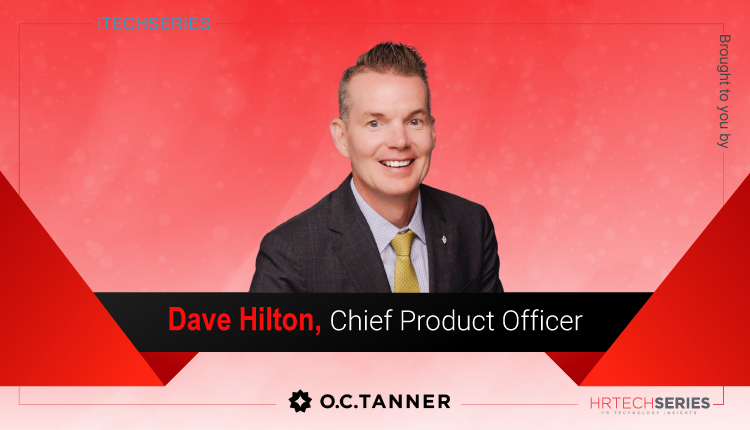
AI technology now offers HR professionals a powerful set of tools to streamline internal functions, make data-driven decisions, and improve employee experience. With AI being embedded across every area of HR and HRTech, it is still crucial to strengthen the fundamentals around agentic AI and its growing use. Dave Hilton, CPO at O.C. Tanner weighs in:
___________
Take us through some of O.C Tanner’s most recent AI enhancements and other integrations that make using the tool a more seamless journey for end users?
At O.C. Tanner, we’ve been very intentional about making recognition part of the way people work, rather than another task they have to remember to do. Our integrations with platforms like Workday allow employees to recognize someone in the tools they’re already using, making it easier for that appreciation to happen in the moment when it’s most relevant and impactful. That experience is also expanding through our new partnership with Kudoboard, which will bring more collaborative, employee-led celebrations into Culture Cloud for moments like birthdays, life events, team achievements, and other meaningful milestones. Newer capabilities like Share to LinkedIn also give employees the option to share recognition from Culture Cloud with their professional networks. We’re continuing to build on that experience through Leader Coach, our AI-powered tool that helps individuals write more tailored, meaningful recognition by focusing on what someone did and the difference it made. That’s where AI has tremendous potential – helping people put greater thought and intention into how they recognize someone.
What current trends in global HRTech innovations have piqued your interest and why?
Agentic AI is one of the developments I’m watching closely. We’re moving beyond technology that simply waits for an instruction and toward technology that can anticipate where attention is needed and prompt users to take action. Imagine a manager leading a large team who can be alerted to meaningful work that might otherwise go unnoticed or that they aren’t necessarily close to. That allows HR leaders to see what’s happening across their organizations more clearly while ensuring a human remains in the loop when it comes to any judgment and action taken.
How is the HRTech market looking today as AI is becoming more embedded into both tools and end-user processes?
We’re entering a more discerning phase of AI adoption, where organizations are beginning to ask not just if AI can perform a task, but also whether it improves the experience for the person on the receiving end. When it comes to something as personal and authentic as recognition, AI can help communicate appreciation more effectively. But technology can’t manufacture the connection or personalization that’s at the foundation of recognition. It works best when leaders already understand the individual they’re recognizing and their preferences when it comes to recognition.
Catch more HRTech Insights: HRTech Interview With Hari Kolam, CEO and Co-founder of Findem: Featuring Findem’s GliderAI
Employee experience, onboarding, and talent acquisition are key HR and hiring areas transforming due to increased reliance on HR automation. Can you share your thoughts on how these core HR areas will evolve as HR tech transforms processes?
Automation will take more of the mechanics out of experiences like recruiting and onboarding, and that’s a positive development if organizations are intentional about what replaces that administrative work. A new employee may arrive on day one with their paperwork completed, technology set up, and routine questions answered, freeing HR teams and managers to focus on the more human side of onboarding. Beyond the logistics, employees are looking for clear signals that they belong, that their contributions matter and that the organization is invested in their success and long-term growth. That puts a greater responsibility on leaders to use those early interactions to establish connections and help people understand how their contributions fit into the organization. Technology can make someone ready to start a job, but the experience that follows – driven by the people – will shape whether they feel connected to the organization and can see themselves there for the long haul.
Can you discuss some notable brands that have gotten their employee recognition processes right – what learnings and takeaways would you share from those experiences with our readers?
ICF is a strong example of an organization that has been intentional about how technology supports recognition. Through its You Matter program, ICF uses O.C. Tanner’s Recognition Coach to help employees strengthen their recognition messages while ensuring the sentiment remains their own. That approach has helped make recognition a more consistent part of the employee experience: 90% of employees were recognized in one year, representing more than 46,000 recognition moments; 88% of employees used the program to recognize others; and eCard use increased 57%.
One key takeaway from ICF’s approach is that recognition works best when it is woven into their everyday employee experience, not treated as a separate initiative. ICF also shows the value of making recognition easy to use, reinforcing company values through recognition, and using technology to support personalization without losing sincerity. Ultimately, the lesson is that the most effective recognition programs help people recognize one another more consistently and meaningfully, while still keeping human connection as the top focus.
A few parting thoughts you’d leave everyone in HR and HRTech with before we wrap up?
We’re at a pivotal moment when HR leaders have access to technology that can fundamentally change how they understand and support their people, and I find that incredibly promising. As new technology becomes part of more HR decisions, we need to be thoughtful about where it genuinely improves the employee experience and where people still need something only another person can provide.
Read More on Hrtech : Why SWIFT is Too Slow for Your Global Workforce?
[To share your insights with us, please write to psen@itechseries.com ]

O.C. Tanner is a global leader in software and services that improve workplace culture through meaningful employee recognition experiences.
After three decades helping hundreds of global and Fortune 500 companies build strong cultures and communities through employee recognition, David is one of the industry’s most trusted subject matter experts. He is passionate about helping companies grow by caring for their people’s wellbeing through recognition. Over the years, his talent has been tapped by nearly every department at O.C. Tanner, from sales, product, and marketing to IT and customer service. He’s recently returned to the product team as Chief Product Officer, working to deliver the best technology, award, engagement, and communication solutions in the recognition industry.