
Onboarding in the Metaverse: Does VR Improve Retention?

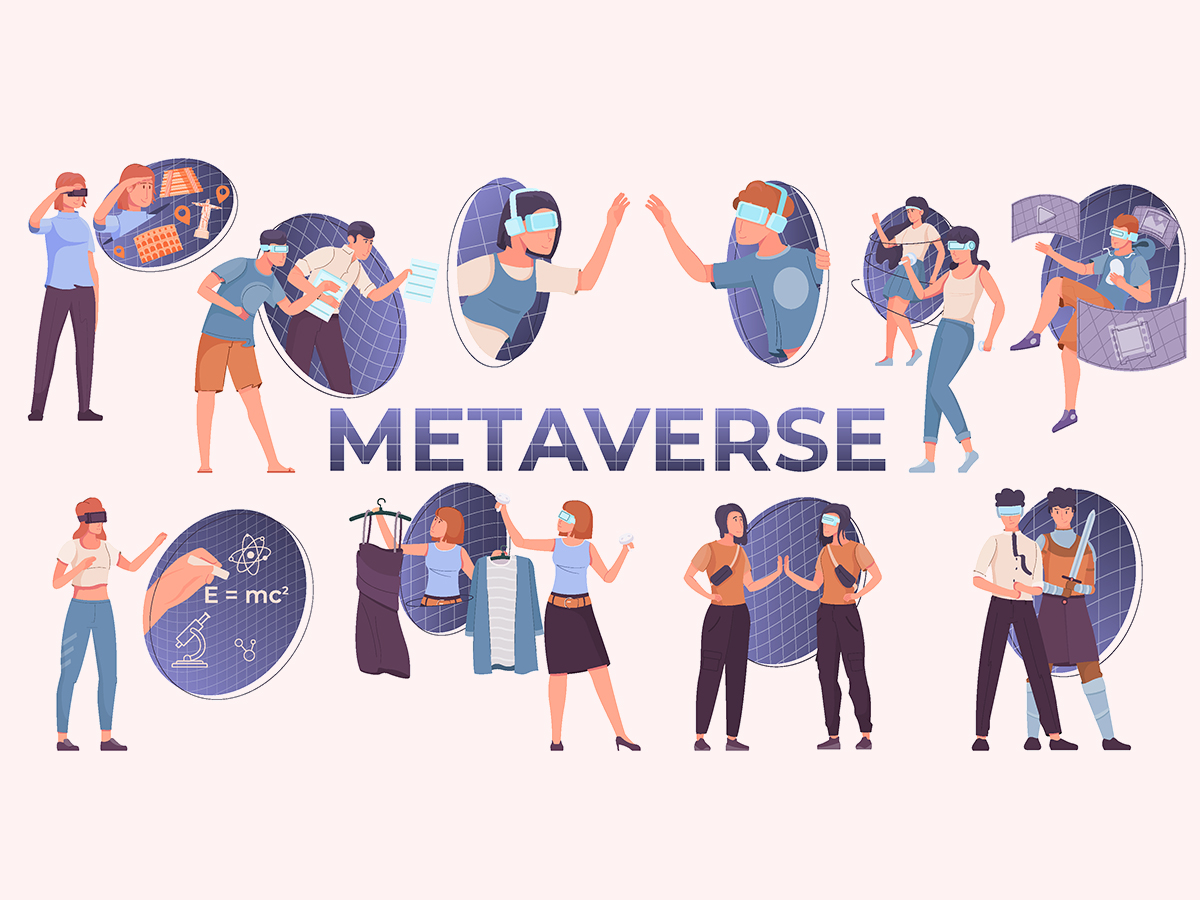
You hire a brilliant new employee, send them a laptop, and hope for the best. They sit alone in their kitchen, clicking through boring slides about company policy. It feels isolating, cold, and forgettable. This is exactly why remote retention rates are dropping fast across the industry. You need a better way to make them feel part of the team instantly.
The solution might be putting a headset on their face. Companies are moving away from flat video calls for training. They are adopting Immersive Onboarding to create real memories. Instead of watching a video about the company history, you actually walk through a digital museum of the brand. This shift changes the psychological contract between the employer and the new hire. It signals that you are willing to invest in their experience from day one.
How Do Virtual HQs Create Belonging?
You can build a digital twin of your office to give remote workers a physical sense of belonging.
- Your new hires can walk through the lobby and see the company values written on the virtual walls.
- They can visit the CEO’s office and hear a welcome message in a spatial 3D environment.
- Teams can gather in the digital cafeteria to have casual conversations that mimic real-life interactions.
- Immersive Onboarding allows you to showcase your global campuses without buying a single plane ticket.
- This spatial memory helps ground the employee in the company culture much faster than a handbook.
Can Learning Compliance Actually Be Fun?
We can finally stop the boredom of compliance training by turning the entire process into an interactive game.
- Scavenger Hunts: You hide security protocols around the virtual office to force new hires to explore the space.
- Team Escape Rooms: Your hires have to solve complex puzzles together just to unlock the next stage of the training.
- Safe Role-Play: You let staff practice difficult client calls with AI characters without risking a real relationship.
- Live Scoreboards: Immersive Onboarding tools track speed in real-time to reward your top learners with digital trophies.
Catch more HRTech Insights: HRTech Interview with Sandra Moran, Chief Marketing Officer of Schoox
How Does Spatial Audio Mimic Real Life?
The worst part of working from home is missing those random chats in the hallway. Standard video calls are terrible for mingling because only one person can talk at a time. The metaverse fixes this social awkwardness by using spatial audio technology.
This means voices actually get louder as you walk your avatar closer to a group. It feels totally natural. You can drift in and out of conversations just like you would at a company happy hour. This helps people make real friends, which is the main reason employees decide to stay.
Do You Need to Buy Everyone a Headset?
You have to decide how your employees will access this new world based on your budget and tech.
- Shipping Oculus headsets to every home is expensive and creates a massive logistical headache for IT.
- Browser-based 3D platforms offer a lighter alternative that runs on standard work laptops without extra gear.
- Standalone VR hardware provides the most engaging Immersive Onboarding experience but limits your ability to scale.
- Web-based solutions allow for instant access but lack the full sensory depth of true virtual reality.
How Do You Track True Employee Engagement?
How do you know if this is working? You stop looking at completion rates and start looking at behavior. Immersive Onboarding generates rich data that tells you the truth about interest levels.
You can see where people look, who they talk to, and how long they interact with objects. If a new hire spends twenty minutes exploring the product demo room, they are engaged. If they stand in the corner for an hour, they are checked out. This behavioral data helps you refine the program constantly. You can identify which parts of the training are boring and fix them immediately.
Which Companies Are Winning With This Strategy?
Major global corporations are already proving that this technology drives real business results at a massive scale.
- Accenture’s Nth Floor: They shipped 60,000 headsets to new consultants to conduct massive events in their “One Accenture Park.”
- Bank of America: The bank uses VR to train employees on empathy by simulating difficult customer interactions.
- Walmart’s Academy: Store managers use Immersive Onboarding to handle Black Friday crowds without disrupting real store operations.
- MGM Resorts: They use VR to let potential hires try the job before they even accept the offer.
Is This Just a Gimmick or the Future?
Is this just a fad? The data suggests it is sticking. Employees who go through Immersive Onboarding feel more connected to the mission. They make friends faster. They understand the product better. You have a chance to turn the most boring day of their career into the most exciting one. Stop sending PDFs and start building worlds.
Read More on Hrtech : Return-to-Office ROI: How HR Tech Is Measuring Productivity and Employee Well-Being
[To share your insights with us, please write to psen@itechseries.com ]