
AI agents in HRTech: Transforming Employee Self-service

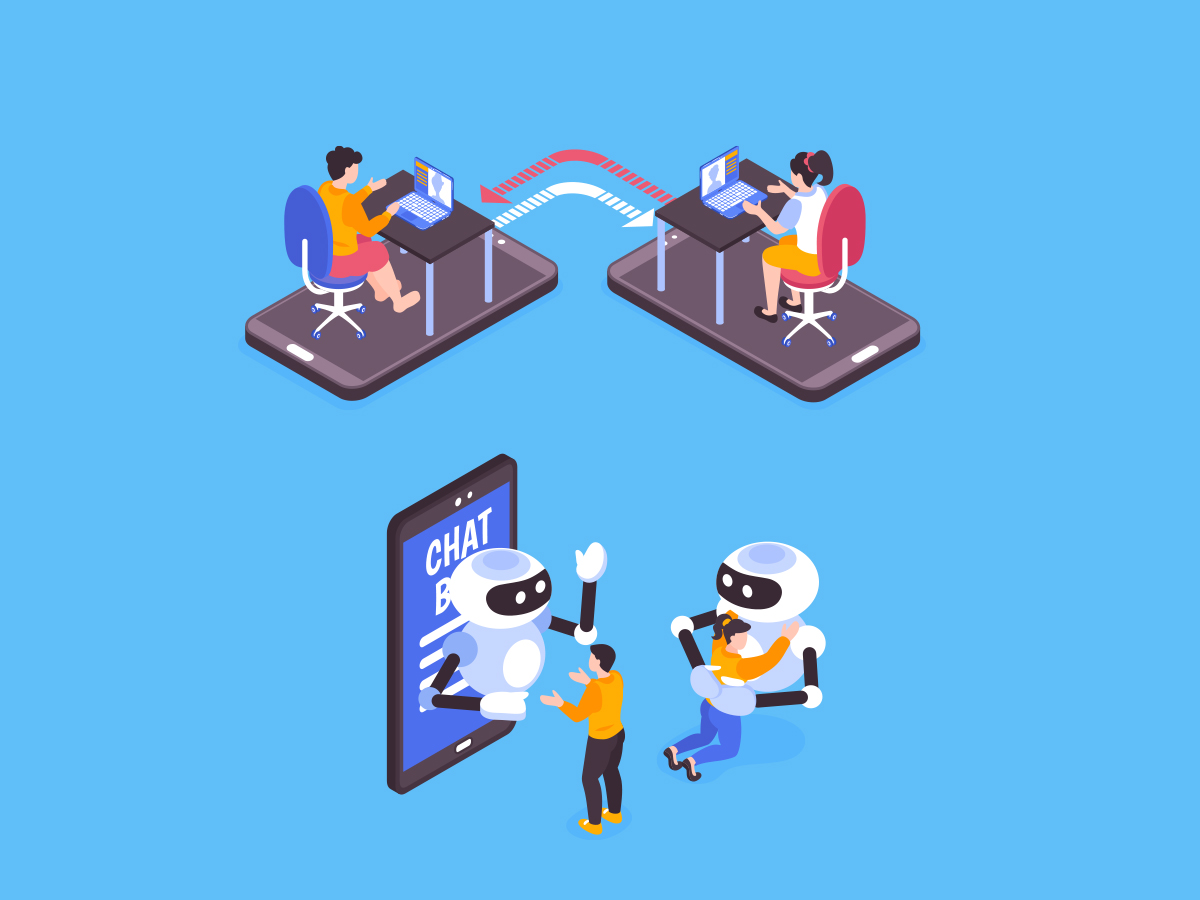
For a long time, employee self-service has been seen as one of the most important parts of changing the digital workplace. For years, businesses have put money into systems that make HR work easier, cut down on paperwork, and give employees the tools they need to find answers on their own. Even though technology has been getting better all the time, using HR systems has often not lived up to expectations.
HRtech talk these days isn’t just about making forms digital; it’s also about changing how employees interact with the systems that support their work lives. Employee support systems need to change from static repositories into intelligent, responsive ecosystems as companies become more spread out, fast-paced, and data-driven.
Traditional HR Portals and Static Knowledge Bases
The first digital HR systems were mostly about making the office run more smoothly. The first HRtech platforms made forms digital, put policy documents in one place, and made FAQ databases that could be searched. With self-service, employees could log in to get a handbook, see how many days off they had left, or submit a support ticket. This change cut down on paperwork and manual tasks, which was a big step forward at the time.
But these portals were mostly passive. They let people look up documents and policies, but they didn’t give much help beyond static content. If an employee had a complicated question, like how a leave policy applied to a certain type of job, they often had to figure out the answer on their own or take the issue to HR. Submitting a ticket became the normal way to fix anything that was even a little bit complicated.
There wasn’t much interaction. There was no contextual intelligence. Systems did not change based on an employee’s job, location, length of time with the company, or work history. Because of this, HR teams still had to rely on manual follow-ups a lot. Instead of really cutting down on work, early HRtech environments often moved the work from physical paperwork to digital queues.
-
Chatbots: The First Wave of Automation
The next big step in the evolution of employee self-service was the introduction of chatbots. Rule-based bots brought conversational interfaces to HR systems, which promised faster responses and fewer tickets. Chatbots made it faster to answer simple questions like “How many leave days do I have?” and “Where can I find the expense policy?” by automating them.
This first wave of automation made HRtech feel more alive. Instead of having to go through multiple portals, employees could type or say questions and get answers right away. FAQ automation cut down on a lot of repetitive tickets, which allowed HR teams to work on more difficult cases.
But these chatbots could only follow certain paths and respond to certain keywords. They worked on scripted logic trees and only responded to structured prompts and phrases they knew. If a question was outside of those limits, the bot either gave a generic answer or moved the issue up to someone else.
They didn’t have the ability to think through problems or understand the context needed to deal with complex, multi-step questions. They were helpful, but they didn’t fundamentally change the way employees felt about their jobs; they just made them better over time.
-
Rising Employee Expectations for Instant, Personalized Support
At the same time, employees’ expectations were rising quickly. Digital experiences for consumers, like e-commerce sites and streaming services, started to change how people thought about technology at work. Workers got used to systems that guess what they need, make personalized suggestions, and give them updates in real time.
This change in culture put more stress on HRtech systems. Employees started to expect mobile-first, on-demand support that worked just like the best consumer apps. They wanted help that was specific to their role and the situation, not just links to general policies. They wanted to be able to reach someone 24/7, have problems fixed right away, and get alerts about deadlines, benefits windows, or compliance requirements ahead of time.
Static portals and rule-based bots couldn’t keep up with what people wanted. The difference between consumer technology and workplace systems became more and more clear, which showed that we need a smarter layer of automation. Companies learned that being efficient wasn’t enough; experience had become the key factor.
HRtech is now moving away from static automation and toward smart, action-oriented systems that use AI agents.
-
From Chatbots to AI Agents: Clarifying the Conceptual Shift
To understand the next step in the transformation, you need to know the difference between chatbots and AI agents. Chatbots are programmed to respond. They follow rules that have already been set, match keywords, and give outputs that are organized. They mostly give information.
AI agents, on the other hand, are systems that can think and make decisions. They know what’s going on, remember what people say, and carry out tasks across systems. They don’t just answer questions; they also figure out what will happen. When an employee asks about parental leave, they don’t just get a policy excerpt. They get personalized advice based on their job status and, if necessary, a leave request that has already been started and is being sent for approval.
AI agents in HRtech are more than just better chat interfaces. They work as operational actors in HR systems, completing tasks on their own by interacting with payroll, HRIS, learning platforms, and benefits systems. This is a big step forward in thinking, going from reactive support to built-in intelligence.
Setting the Urgency
The change that is happening is not small; it is big. Organizations are dealing with hybrid work models, global compliance needs, and changes in the way people work that happen quickly. These problems can’t be solved by manual processes or systems that aren’t connected. The modern workforce needs systems that are easy to use, quick to respond, and proactive.
HRtech is at a key point right now as companies rethink their digital infrastructure. The question is no longer if there should be employee self-service, but what it should look like. The change from static portals to intelligent agents means that systems are becoming more like people: they think, act, and adapt.
The next step in the evolution of HRtech is adding intelligence to operations. This means that technology doesn’t just store data; it also controls results. Employee self-service is changing into something much more powerful: a fast, personalized, and flexible support system powered by AI.
What Is The Difference Between Chatbots And AI Agents?
Chatbots are often the first thing people talk about when they talk about AI in the workplace, but they can’t be the last. To comprehend the ongoing transformation in HRtech, it is crucial to differentiate between incremental automation and genuine operational intelligence. Chatbots were an important step forward, but AI agents are a big change in how HR systems work.
At their most basic level, chatbots are programmed to respond. They depend on preset logic trees, keyword recognition, and programmed answers. When an employee asks a question, the chatbot looks for familiar triggers and gives an answer that fits. This is a good way to handle simple, repetitive questions like checking leave balances or getting policy documents. In the early days of HRtech, chatbots helped cut down on the number of tickets and made conversational interfaces that were easier to use than static portals.
But scripted responders can only do so much. They can’t think outside of what they’ve been told. They don’t get subtleties, context, or layered intent. If a question doesn’t fit the usual patterns, the conversation quickly turns into generic answers or gets passed on to a human HR representative. The experience is still reactive and broken up.
AI agents work differently. They are systems that can think, make decisions, and do tasks. They don’t match keywords to answers; instead, they figure out what the user wants, look at the context, and decide what to do next. This ability is a turning point for HRtech, as systems go from answering single questions to coordinating meaningful results.
Agents can understand context in ways that chatbots can’t. They know who the employee is, what their job is, where they work, and how past interactions affect current requests. They keep track of what was said in previous turns of a conversation, which lets them answer complicated, multi-part questions without starting the conversation over. For instance, if an employee asks about parental leave and then asks how it affects performance bonuses, the agent links the two questions instead of treating them as separate ones.
AI agents do workflows, which is even more important. They don’t just tell workers how to do a job; they start and finish processes across systems that are connected. In today’s HRtech world, this means using HRIS platforms, payroll systems, learning management systems, and benefits portals to solve problems from start to finish.
The change is huge: companies go from answering questions to solving problems. Instead of “Here’s the link to request leave,” employees get “Your leave request has been sent and is being reviewed.” This freedom of action changes what digital HR systems do.
It’s clear that AI agents in HRtech are more than just chatbots; they are also actors in HR systems. They act as smart middlemen between employees and the company’s infrastructure, turning ideas into actions quickly and accurately.
The Main Things That AI Agents Can Do in HRTech
AI agents are powerful not just because they can talk to people, but also because they can do a lot of different things for HR. As HRtech platforms get better, four main features define their effect: smart query resolution, automated workflow execution, personalized employee guidance, and proactive engagement.
1. Smart Query Resolution
The ability to give context-aware answers is what makes AI agents so powerful. AI agents are different from traditional chatbots because they connect directly to HRIS, payroll, benefits, and policy systems instead of using static FAQs. This connection lets them give answers that are based on current data and the specific situation of each person.
For example, if an employee asks if they can take time off, the agent doesn’t just read the policy language. It looks at the type of job, how long the person has been working there, how much leave they have accrued, and the labor laws in their area before giving a personalized answer. This contextual interpretation builds trust in HRtech systems by making sure they are correct and useful.
Multi-turn conversations make the experience even better. AI agents remember things that happen during an interaction, so they can build on what has already happened. Without having to start the conversation over, employees can make questions clearer, add new variables, or ask for more information. This is like how people talk to each other naturally and get rid of repeated input.
Reasoning skills make it possible to deal with complicated, multi-layered questions. Think about an employee who has to deal with moving benefits, pay changes, and tax issues all at the same time. A regular chatbot would have a hard time with these kinds of dependencies. But an AI agent combines information from different systems to give clear advice.
Real-time policy interpretation also makes things less unclear. Policies often use language that is not clear and needs to be understood in context. AI agents dynamically parse these details, making them clear without needing HR to step in. In advanced HRtech systems, this smart solution cuts down on friction while still following the rules.
3. Running Workflows Automatically
If intelligent query resolution helps people understand, automated workflow execution makes things happen. AI agents built into HRtech systems do more than just give information; they also do things.
For example, leave approvals and routing are very clear. When an employee asks for time off, the agent checks to see if they are eligible, looks for any overlapping schedules, sends the request to the right manager, and updates the HRIS automatically. The process goes smoothly.
Another important use is processing onboarding documents. AI agents can help new employees fill out paperwork, check submissions, start background checks, and set up access to systems. What used to take a lot of emails and manual coordination is now a smooth digital flow.
Agent-driven automation also helps with benefits enrollment. During open enrollment periods, employees often have trouble understanding their plan options, who is eligible, and when they need to sign up. AI agents read plan details, suggest the best options based on each person’s profile, and make changes to enrollment directly in benefits systems.
Making changes to payroll and creating tickets are two more examples of operational autonomy. AI agents work across connected platforms to quickly fix problems, whether that means fixing a pay discrepancy or starting a reimbursement.
The change is clear: instead of saying, “Here’s how to request leave,” they now say, “I’ve submitted and routed your leave request.” This ability marks a turning point in HRtech, when technology goes from giving advice to doing tasks.
4. Personalized Help for Employees
AI agents improve the employee experience by making it more personal, in addition to making operations more efficient. They give personalized advice based on data like tenure, job function, performance history, and location.
Suggestions for career growth become proactive instead of reactive. An AI agent could suggest training programs based on gaps in skills or the needs of an upcoming project. It might show employees how to move up within the company in ways that fit their goals and skills.
Learning management systems work well with training recommendations, which help employees get the certifications or compliance modules they need to move up in their careers. This personalized help makes people more involved and keeps them in HRtech ecosystems.
Being aware of the context also helps with navigating pay and benefits. AI agents can explain how changes in pay compare to market standards or how certain benefits apply to a certain type of job. Employees get personalized explanations instead of generic documentation.
Contextual nudges make personalization even better. Agents can remind employees of milestone reviews, eligibility thresholds, or benefit changes based on how long they’ve worked there, where they live, or when they change jobs. These timely reminders help people take advantage of opportunities and lower the risk of not following the rules.
Overall, personalization changes HRtech from a platform for transactions to a partner in development. Workers no longer have to figure out complicated systems on their own; they get smart help that is in line with their career growth.
5. Operational and Strategic Implications
As these abilities get better, they have a big effect on how HR works. Fewer and fewer of the same administrative tasks happen. As problems are fixed on their own, the number of tickets goes down. Response times get better, and HR teams have more time to work on strategic projects like planning the workforce and improving the company’s culture.
AI agents are more than just a technical upgrade for companies that invest in modern HRtech; they also mean a new way of doing business. Smart systems take care of everyday problems, while people focus on building relationships, showing empathy, and making plans.
The change from chatbots to AI agents is part of a bigger change in business technology. This change is especially important for HRtech because it affects every interaction between employees. AI agents change the meaning of self-service by combining reasoning, memory, executing workflows, and personalization.
The future of HRtech isn’t in small steps toward automation, but in smart orchestration, where systems work with human expertise to think, act, and adapt.
Proactive Notifications and Interventions
The real growth of smart systems in HRTech happens when support goes from reacting to problems to getting involved before they happen. Previously, digital HR systems waited for employees to initiate contact, such as by asking a question, logging a ticket, or searching for documentation. Even the most advanced chatbots mostly only answered direct questions. But AI-driven systems bring in a new model called predictive assistance.
Organizations can better manage compliance, performance, and employee engagement with proactive notifications and interventions. Smart platforms don’t wait for missed deadlines or forgotten requirements to happen; they predict needs and push people to take action on time.
-
Reminders for Compliance Deadlines
One of the most important and difficult parts of managing a workforce is making sure they follow the rules. Organizations need to make sure that their employees meet requirements on time, from mandatory training to regulatory filings. In the past, HR teams would either keep track of these deadlines by hand or use email reminders that could be ignored or lost.
AI-powered modern HRTech solutions keep an eye on compliance milestones all the time. They send reminders that are based on the person’s role, location, and job status. For instance, an employee in a regulated field might get a specific notification about a compliance certification deadline that is coming up, along with a direct link to complete the requirement. These reminders are not the same for everyone; they are unique to you and based on real-time data.
Companies lower their risk while making the employee experience better by automating compliance nudges.
-
Expiring Certifications
In fields like healthcare, finance, and technology, certifications and credentials often need to be renewed every so often. If certifications are not up to date, they can cause problems with operations and make the company legally vulnerable. Traditional systems often use spreadsheets or manual tracking, which makes it more likely that things will be missed.
AI-enabled HRTech platforms find certifications that are about to expire well in advance. Employees get proactive notifications that explain how to renew, when the deadlines are, and what training materials are available. Managers are told at the same time, which makes sure that everyone is responsible at all levels.
This change from fixing problems after they happen to fixing them before they happen reduces disruptions and makes workers more ready.
-
Performance Review Milestones
Another area where proactive engagement leads to better results is in performance management cycles. A lot of the time, employees miss deadlines for feedback or don’t finish their review paperwork on time. Then, HR teams rush to make sure that deadlines are met and rules are followed.
Smart HRTech lets agents keep track of performance review deadlines and send reminders at important times. These alerts can include advice on how to get ready, links to evaluation forms, and summaries of past performance data. The system lowers friction and raises participation rates by putting support right into the workflow.
Performance management becomes a structured, timely process instead of last-minute escalations.
-
Benefits Enrollment Windows
Enrollment periods for benefits are very important times in an employee’s life. But a lot of workers put off making decisions or miss deadlines because they are confused or have too many things to do. Static reminders don’t allow for personalization and don’t always get people to take action.
Proactive HRTech systems fill this gap by sending targeted enrollment alerts based on who is eligible and what they have already chosen. Employees get recommendations based on their situation, like pointing out changes in plan options or suggesting changes to their coverage that are relevant. These prompts help people make decisions while keeping things clear. The result is more engagement during enrollment periods and fewer corrections after the deadline.
-
Policy Changes
Changes in regulations, strategy, or the workforce can cause organizational policies to change. It can be hard to get the word out about these changes in a clear way. Employees may not know about new requirements if they don’t read mass emails.
Smart HRTech platforms let employees know about policy changes that will affect their jobs or locations directly. Notifications can include a summary of the changes, what you need to do, and links to the most up-to-date documents. This keeps employees informed without giving them too much information that isn’t useful.
Evolution: From Reactive Service to Predictive Assistance
The combined effects of proactive notifications and interventions are a big step forward for HRTech. Systems don’t wait for employees to ask for help; they anticipate needs and prompt action right away. Predictive help cuts down on mistakes, makes sure rules are followed, and builds trust in digital HR systems.
This change is also a sign of a bigger change: support for employees becomes ongoing instead of sporadic. Smart systems watch for patterns, find risks, and step in before problems get worse. By doing this, HRTech goes from being a passive storehouse of information to an active participant in managing the workforce.
Operational Impact on HR Teams
As proactive capabilities grow, their effects on HR operations become clear and strategic. Adding AI agents to HRTech ecosystems changes the way HR teams spend their time, manage their resources, and add value to the company in a big way.
1. Less handling of repetitive tickets
One of the most obvious benefits is that it cuts down on the number of times you have to handle tickets. A lot of HR departments spend a lot of time and money answering common questions about things like leave policies, who is eligible for benefits, payroll errors, and compliance needs.
Proactive notifications and smart resolution cut down on these kinds of questions by a huge amount. When employees get timely reminders and guidance that makes sense in the situation, fewer problems turn into formal tickets. This change lets HRTech platforms be the first—and often last—place to find a solution.
Cutting down on repetitive tasks not only makes things run more smoothly, but it also helps HR teams avoid burnout.
2. Lower Response Time SLAs
Service-level agreements (SLAs) often spell out how quickly HR should respond to questions. In traditional models, meeting these SLAs means that someone has to do it by hand and keep an eye on it all the time. Delays can make employees unhappy and make it harder for the team to do its job.
AI-powered HRTech systems give you instant answers and carry out tasks automatically, which cuts down on response times by a huge amount. Even when people need to be in charge, pre-processed data and contextual insights speed up the process of finding a solution.
Lower SLAs make people think that HR services are more reliable, which builds trust in digital systems.
3. Improved HR Team Productivity
HR professionals can focus on strategic initiatives instead of doing the same tasks over and over and over again. Workforce planning, diversity and inclusion programs, leadership development, and cultural change all need careful thought and involvement. These are all areas where people are still the best at what they do.
HRTech gives HR teams the tools they need to be strategic partners instead of just administrative processors by automating routine tasks. Productivity gains aren’t just about saving time; they’re also about the quality of the projects you work on.
4. Focus on Strategic Workforce Initiatives
The strategic possibilities that intelligent systems open up go beyond just making operations more efficient. AI-driven HRTech can help HR leaders find problems that keep coming up, unclear policies, or areas where more training is needed.
For instance, patterns in employee questions may show that a lot of people are confused about the rules for working from home. With this information, HR can improve how they communicate or make changes to policies ahead of time.
This data-driven method makes decisions better and makes sure that HR projects are in line with the goals of the organization.
Data-Driven Insights into Recurring Employee Needs
Every time you use a modern HRTech platform, it collects useful data. By looking at questions that come up over and over, patterns of engagement, and the results of workflows, companies can see how their employees act.
These insights make it possible to keep getting better. If workers often ask for more information about who is eligible for benefits, the system can change its guidance on its own. If reminders to comply lead to more people finishing, HR can change when they send them.
Data turns HRTech from a way to get help into a way to get strategic intelligence.
Metric Angle: Quantifying Impact
Quantifiable metrics provide additional evidence of the operational effects of proactive AI integration. The ticket deflection rate is a clear sign of how well a system works. It shows how many questions are answered without the help of a person. Improvements in time-to-resolution show that things are running more smoothly. Employee satisfaction scores show that improvements in experience are real.
Companies that use advanced HRTech often see measurable improvements in these areas. Less ticket volume, quicker resolution, and more engagement all show the return on investment of predictive, AI-driven systems.
Catch more HRTech Insights: HRTech Interview with Sandra Moran, Chief Marketing Officer of Schoox
Redefining HR Operations Through Intelligent Infrastructure
The operational change brought about by proactive notifications and predictive help goes beyond just making things more efficient. It changes how HR fits into the company. When HR professionals handle routine questions on their own and lower compliance risks by acting quickly, they have more time to lead instead of react.
In this case, HRTech helps make the workforce more flexible. It makes sure that deadlines are met, certifications stay valid, and performance cycles go smoothly, all without the need for constant human supervision. The result is an organization that is more flexible and able to adapt.
In the end, the move from reactive service to predictive assistance is a sign of a bigger change in how digital HR infrastructure is defined. HRTech becomes a smart ecosystem that keeps an eye on, guides, and improves how workers interact with each other all the time. It helps HR teams focus on what matters most: building engaged, capable, and future-ready workforces by making things easier for them and giving them more strategic power.
-
Employee Experience Transformation
The growth of smart systems in HRtech isn’t just about how they work; it’s also about how they feel. For decades, employees have had to deal with HR processes that seemed bureaucratic, broken, and took a long time. People often had to be patient and follow up more than once when they needed to ask for time off, change their benefits, or fix payroll mistakes. Adding AI agents to HRtech platforms is changing this experience from the ground up.
The main goal of changing the employee experience is to make things easier. When HR
systems work well, employees can focus on important tasks instead of dealing with administrative problems. AI agents act as the link between what employees want to do and the company’s systems, making interactions smoother and more intuitive.
-
24/7 Accessibility
Round-the-clock access is one of the best things about AI-powered HRtech right away. Today’s workers work in different time zones, on hybrid schedules, and in flexible spaces. Traditional HR service models, which are limited to office hours, don’t work with how people really work anymore.
AI agents built into HRtech platforms are always there to help. Help is always available, whether an employee has a question about payroll at midnight or needs to know more about leave policies while traveling. This 24/7 availability gets rid of delays and makes sure that help isn’t dependent on people being available.
The effect goes beyond just making things easier. Continuous access helps distributed teams and remote workers feel included, making sure that everyone has equal access to HR services, no matter where they are.
-
Personalized Interactions
In the digital age, personalization is a key expectation. Employees are used to platforms that change the content and suggestions based on what they like. When HRtech systems don’t offer the same level of personalization, the experience feels old.
AI agents change this by using contextual data like tenure, role, department, and location to make interactions more personal. When an employee looks into benefits options, they get help based on their eligibility and past choices. A manager who is looking at performance cycles gets reminders that are in line with the specific goals of their team.
This personalized layer turns HRtech from a static database into a helpful partner. Employees no longer have to read through generic policy documents; instead, they get information that is specific to their situation.
-
Faster Issue Resolution
Speed is very important for the quality of experience. Long lines for tickets and slow responses make people less likely to trust HR systems. AI agents speed up problem-solving by a huge amount by combining smart query interpretation with workflow execution.
For instance, if an employee finds a mistake on their paycheck, the AI agent in the HRtech platform can check the data across systems, start the process of fixing it, and give real-time updates on the status. Employees get immediate acknowledgment and visible progress instead of having to wait days for a manual review.
Faster resolution not only makes people happier, but it also lowers the stress that comes with not knowing what will happen next. Employees feel like they have help instead of being stuck.
-
Increased Transparency in Processes
Another important part of what modern employees expect is transparency. A lot of traditional HR processes work like “black boxes,” which means that employees don’t know what’s going on with their requests or what to do next. This lack of clarity leads to anger and extra follow-ups.
AI-powered HRtech platforms let you see how your work is going. Employees can see in real time whether their leave requests have been approved, their onboarding paperwork has been completed, or their benefits have changed. Notifications tell you what stage a request is in and what needs to be done next.
By making processes that were once unclear clearer, intelligent systems boost employees’ confidence. Being open about things lowers speculation and makes people feel like the process is fair.
-
Greater Trust in HR Systems
Accessibility, personalization, speed, and openness all work together to build trust. When employees consistently get correct answers and timely results, they trust HRtech more.
AI agents help build this trust by remembering things in context and giving the same advice every time. Employees no longer get different answers depending on which HR person they talk to. Instead, responses that are both standardized and personalized make things more reliable.
As time goes on, trust in digital systems strengthens trust in HR as a whole. Employees see HR not just as a gatekeeper for administration, but as a partner who can respond to their needs and use technology to do so.
Narrative Angle: AI Agents Reduce Friction in Everyday Work Life
The most important change is that there is less friction that you can’t see. Every day work life includes a lot of small interactions with HR processes, like asking for documents, changing personal information, and making sure you understand the rules. Every little bit of friction adds up to cognitive load.
AI-powered HRtech makes this job easier. AI agents take care of repetitive administrative tasks for employees by anticipating needs, guiding actions, and solving problems on their own. The result is a digital workplace that runs more smoothly, with HR systems that help productivity instead of getting in the way.
It’s not about flashy interfaces; it’s about getting rid of things that get in the way of employees. When there is no more friction, people naturally become more engaged and happy.
The Data Foundation Behind AI Agent Effectiveness
Improvements that affect employees get a lot of attention, but the effectiveness of AI agents in HRtech depends entirely on the data architecture that supports them. For intelligent behavior to happen, data must be accurate, integrated, and well-managed. Even the best algorithms can’t give you reliable results without this base.
-
Integration with HRIS, ATS, Payroll, LMS, and Benefits Platforms
For AI agents to be useful, they need to work with more than one business system. Integration with HRIS platforms gives you access to employee profiles, work history, and pay information. Being able to connect with applicant tracking systems (ATS) helps with hiring and onboarding. Payroll systems give you information about your finances, and learning management systems (LMS) keep track of your training.
Seamless integration makes it possible for HRtech platforms to combine data in real time. When an employee asks if they can get the training that is required for a promotion, the AI agent looks at their past performance, the requirements for their current role, and the learning modules that are available at the same time.
This ability is limited by fragmented systems. So, strong integration is necessary to provide help that makes sense and is aware of the situation.
-
Clean, Structured Policy Documentation
Policies are the most important part of how HR works. But a lot of businesses keep policy documents in different formats, old storage systems, or unstructured text files. AI agents need clear, organized documentation to understand rules correctly.
Standardizing and digitizing policy content is a top priority for modern HRtech strategies. Structured documentation helps AI models understand eligibility criteria, exceptions, and procedural steps better.
Automated guidance can be wrong when policy data is inconsistent or unclear. Data hygiene is a must for AI to work properly.
-
Role-Based Access Controls
When it comes to HR, safety, and privacy are the most important things. To keep data safe, AI agents in HRtech environments must follow role-based access controls. An employee shouldn’t be able to see data about how much managers are paid, and a contractor shouldn’t be able to see sensitive workforce analytics.
Role-based permissions make sure that AI responses stay within the limits of what is allowed. Before taking action or giving out information, the system needs to check the person’s identity and the context in which they are eligible.
This level of protection protects employee trust and compliance with the law, which makes intelligent systems even more reliable.
-
Identity and Authorization Systems
AI agents work with more than just role-based access; they also use complete identity and authorization frameworks. HRtech systems must check user credentials and make sure they have the right permissions for each request they handle.
AI agents need to follow clear rules of governance. Identity verification is used to make sure that workflows like approving leave or starting payroll changes are real.
Strong identity infrastructure stops misuse and makes it possible to audit, which lets businesses keep track of what both people and AI agents do.
-
Continuous Data Governance
Data environments change all the time. Policies change, organizational structures change, and rules change. Data governance that never stops makes sure that HRtech systems stay accurate and up to date.
Regular audits, version control for policies, and keeping an eye out for bias in automated decision-making are all examples of good governance. AI agents need to be able to follow new rules without losing their accuracy.
Data drift can make a system less reliable if it isn’t governed all the time. So, ongoing supervision is very important for keeping AI useful.
Main Point: The Data Architecture Underneath AI Agents in HRTech Determines How Strong They Are
The ability of AI to change HRtech depends on the quality and integration of data. Strong architecture is necessary for personalized guidance, intelligent query resolution, and workflow automation.
AI agents can’t give you consistent results if the data is broken up, old, or not safe. On the other hand, AI can greatly improve efficiency and experience when data architecture is strong.
Companies that buy smart HR tech need to pay as much attention to the infrastructure as they do to the interface. Benefits for employees only come about when basic systems work well together.
Core Insight: AI Agents in HRTech Are Only as Strong as the Data Architecture Beneath Them
The future of HRtech is at the crossroads of changing the way employees work and the way data is structured. AI agents seem to improve accessibility, personalization, and trust. This improvement is possible because of integrated systems and controlled data.
These dimensions work together to make a digital HR ecosystem that is easy to use and trustworthy. HRtech becomes a strategic driver of workforce agility by making things easier for employees and strengthening the foundations of operations.
As businesses keep updating their digital spaces, it’s clear that architectural rigor must keep up with experience innovation. AI agents can only really deliver on the promise of smart, smooth HR operations after that.
Ethical, Governance, and Compliance Issues
As AI agents become a part of workforce systems, the talk about HR tech needs to go beyond just efficiency and experience. Intelligence without accountability can be dangerous. When systems are given the power to understand policies, carry out workflows, and affect employee outcomes, ethical and governance issues become very important for long-term use.
AI in HR tech changes the way decisions are made that directly affect pay, performance reviews, promotions, and tracking compliance. These high-stakes areas need strong protections to make sure that everything is fair, open, and in line with the law.
-
Data Privacy and Employee Confidentiality
Data about employees is some of the most sensitive information that a company has. HR systems keep track of payroll records, health benefits information, performance reviews, disciplinary actions, and demographic data. When AI agents use this data, they need to follow strict privacy rules.
Encryption, safe data storage, and controlled data access pathways must be enforced by modern HR tech infrastructures. AI systems should follow the least-privilege principle, which means they should only be able to access the information they need to carry out a specific task. An AI agent helping with leave requests, for instance, shouldn’t be able to see all of the history of pay.
Companies need to be clear about how they use employee data in addition to technical protections. Being open and honest builds trust and eases worries about being watched or misused. Employees need to know what data AI systems can get and how it affects their choices.
Data privacy is not something you can choose; it is a basic need. AI-powered HR tech loses its credibility quickly if it doesn’t have strong privacy protections.
-
Bias in Making Decisions Automatically
Algorithmic bias is one of the most talked-about risks of AI in workforce systems. If the data used to train AI agents shows patterns of unfairness or systemic differences from the past, the agents may copy or make those patterns worse.
In HR tech, bias can show up in suggestions for how to evaluate employees’ performance, how to screen candidates, or how to help employees grow in their careers. Even small biases in how language is understood or how decisions are weighted can lead to unfair results.
Organizations need to regularly check AI systems to see if they have different effects on different demographic groups. Regular bias checks, a variety of training datasets, and ways for people to keep an eye on things are all important safety measures. Designing ethical AI is not a one-time thing; it needs to be watched and adjusted all the time.
It is not only the right thing to do, but it is also the law, and the right thing to do for your reputation to make sure that HR tech is fair.
-
Clear Audit Trails
To be accountable, you have to be able to trace things. AI agents that carry out tasks or make suggestions must leave clear trails for audits. Every action taken, like processing a leave request or changing payroll information, should be logged with timestamps and references to the logic behind the decision.
When HR tech environments have transparent logging, businesses can put together events, look into strange things, and show that they are following the rules during audits. This ability to trace things is especially important when AI systems affect pay or compliance results.
Audit trails also make internal governance stronger. HR leaders can check how well the system is working, find mistakes that keep happening, and change policies as needed. Automation could become hard to manage and hard to see if there is no transparency.
-
Regulatory Compliance (GDPR, Labor Laws)
Global companies have to deal with a lot of rules and laws. GDPR and other data protection laws have strict rules about how to handle data, get consent, and make decisions automatically. Labor laws differ from place to place, and they often set rules for how records must be kept.
AI-enabled HR technology systems need to be built with rules and regulations in mind from the start. This includes ways to limit the amount of data collected, manage consent, and give people the right to know why automated decisions were made.
For instance, if an AI system says that a leave request should be denied based on how the policy is written, workers in some places may have the right to have a human look at it. Design that takes compliance into account makes sure that automation stays within these legal limits. Following the rules is not an extra feature; it’s a key part of using HR tech responsibly.
-
Role-Based Authorization and Access Control
Security in smart systems goes beyond just checking someone’s identity. Role-based authorization makes sure that both users and AI agents only do things that they have permission to do. In advanced HR tech ecosystems, authorization frameworks decide who can see pay data, approve performance reviews, or change employee records. AI agents have to follow the same rules as people do.
This alignment stops privilege escalation and makes sure that automation doesn’t go around governance structures. Role-based access controls are an important way to protect against unauthorized data exposure and misuse of operations.
Critical Point: AI Agents Must Operate Within Clear Governance Frameworks
The main lesson is clear: AI agents in HR tech can’t work on their own without supervision. Governance frameworks need to set limits, rules for how to handle problems, and ways to hold people accountable.
Companies should set up AI governance committees, make review processes official, and write down rules for how AI can be used. Ethical rules should be built into the design of a system, not added on later.
For sustainable adoption, innovation and responsibility must go hand in hand. When governance is strong, HR tech can move forward with confidence without losing trust.
Challenges and Adoption Barriers
The idea of smart systems in HR tech is exciting, but putting them into use is rarely easy. Organizations have structural, cultural, and financial problems that can make it harder or slower to adopt new ideas.
Leaders can plan for change instead of reacting to it when they know what the problems are.
-
Data Silos
A lot of businesses have HR ecosystems that aren’t connected. Payroll, hiring, learning, and benefits systems often work on their own. Data silos keep information from moving around and make it harder for AI agents to understand the context of what they’re doing.
HR tech platforms can’t give users a smooth experience without integrated data streams. For instance, career development suggestions need to connect performance data, training history, and role criteria.
To break down silos, you need to modernize the architecture, connect APIs, and coordinate across departments. This takes both time and money.
-
Legacy HR Systems
Legacy infrastructure is another problem. Older systems may not work with AI-driven improvements or may not be able to send and receive data in real time. Companies that use old HR tech platforms need to decide whether to update their current systems or completely modernize them. Both paths are complicated, and they both require planning for migration and managing change.
Even when modernization promises long-term benefits, resistance to replacing systems that people are used to can slow progress.
-
Resistance to Change Management
People often resist changes in technology. HR professionals may be afraid of losing their jobs, and employees may be afraid that machines will replace human judgment.
To make HR tech work better, you need to be open about what you’re doing and train people. Leaders need to stress that AI adds to, not replaces, human knowledge. Showing real benefits, like less work for the administration, helps people feel more secure.
Workshops, pilot programs, and feedback loops that happen all the time should all be part of change management plans.
Concerns About Trust Among Employees
Trust is a key part of getting people to accept their jobs. Workers may wonder if AI systems will unfairly watch their work or use their personal information in a bad way. To build trust in HR tech, there needs to be clear rules about how data is used, clear governance policies, and people in charge who can be seen. Giving employees the choice to opt out or have their work reviewed by a person can help them feel better.
Trust grows when systems always give correct, useful results without going too far.
-
Integration Complexity
Adding AI agents to complicated business ecosystems can be hard from a technical point of view. Implementation is harder because there are many data sources, different security protocols, and old limitations.
To make sure that deployment goes smoothly, organizations need to hire skilled IT staff and set up strong testing procedures. Planning keeps things running smoothly and stops problems from happening in HR tech systems.
-
Budget Prioritization
Financial limitations also affect the timelines for adoption. AI projects compete with other strategic investments, so the return on investment (ROI) must be clear.
Showing how ticket deflection, lower compliance risk, and higher productivity can save money makes the case for updating HR technology even stronger. The readiness of the organization must match the maturity of the technology.
In the end, successful adoption depends on how well the technology is ready and how ready the organization is. Putting advanced AI into a place that isn’t ready for it can cause more problems than it solves.
Before expanding intelligent HR tech projects, leaders need to look at how ready the culture is, how mature the data is, and how well the governance is working. Strategic pacing makes sure that change lasts.
What does this mean for HR and IT Leaders Strategically?
Adding AI agents to workforce systems changes what leaders are responsible for. For technical reliability and organizational alignment, HR and IT must work together closely.
-
HR and IT Collaboration Becomes Essential
In the past, HR and IT worked separately instead of together. AI-powered HR technology breaks down these walls. Technical architecture choices have a direct effect on how employees feel, while HR policies shape how the system works.
Cross-functional governance teams make sure that the strategy for the workforce and the technology capabilities are in sync.
-
Investment in Secure AI Infrastructure
There is no way to negotiate a secure infrastructure. To support smart operations in HR tech environments, companies need to spend money on scalable cloud platforms, encryption protocols, and identity management systems.
Investing in security protects both compliance and trust from employees.
-
Need for AI Governance Models
Formal governance models set rules for who is responsible, how to keep an eye on things, and how to deal with risks. Setting clear roles for keeping an eye on AI performance stops confusion. Governance structures make people more sure that HR tech is safe by making sure that systems work within the law and ethical standards.
-
Training the workforce
To handle AI-enhanced workflows, HR professionals need to learn new skills. Upskilling programs should teach people how to read and understand data, how to use AI in a moral way, and how to make a digital strategy.
Giving teams the tools they need to use HR tech effectively gets the most out of their investment.
-
Aligning AI Initiatives with Business Goals
AI adoption should be in line with the organization’s bigger goals, like keeping employees, making sure they follow the rules, or speeding up growth. Putting HR tech projects in the context of strategic priorities makes sure that executives back them.
Is HRTech Infrastructure Ready for Autonomous Systems?
The most important question for leaders is whether the current infrastructure can handle responsible autonomous decision-making. Are the data systems all connected? Do you know what the rules are for governance? Is trust among the workers built?
When these things are true, HR tech becomes a tool for change instead of a source of problems.
Conclusion: From Self-Service to Self-Driving HRTech
HRtech has reached a turning point in its development. What started as digital storage spaces for policies, forms, and FAQs is now changing into smart, responsive environments that help workers. Old self-service portals were made to store data. New systems are made to understand it, act on it, and keep learning from it.
This change means that digital assistants will no longer just sit around; they will work with employees and HR teams. Instead of using static dashboards, employees now work with intelligent agents that can help them make decisions, carry out tasks, and predict their needs. In this new way of thinking, HRtech is no longer just a tool for the back office; it is now a strategic enabler that is part of everyday work life.
AI agents are a key part of making the workforce more flexible. Today, businesses work in environments that are constantly changing, have a lot of rules, and have employees whose expectations are always changing. By automating tasks like approving leave, sending reminders about compliance, and managing documents, intelligent systems make it easier for administrators to do their jobs. AI agents can quickly combine data from different systems, which makes it possible to make decisions more quickly.
This ability to respond quickly lets workforce systems change in real time to changes in the organization, new policies, or changing business priorities. Because of this, HRtech goes from being reactive and focused on transactions to being proactive and focused on outcomes. It allows businesses to move quickly while still following the rules and keeping things in order.
The rise of smart automation does not make human leadership in HR less important; in fact, it makes it more important. AI takes care of things like handling routine complexity, interpreting data, and coordinating workflows.
This lets HR professionals focus on things like empathy, cultural development, and long-term talent strategy. This partnership between people and AI is what HRtech will be like in the future. AI doesn’t take the place of human judgment; it makes it better. It makes sure that decisions are based on accurate data and are still guided by company values and human insight. Modern HR operations are built on hybrid intelligence, which is when machines handle scale, and people add nuance.
The next step for HRtech is not just automation; it’s orchestration. AI agents are the next step from employee self-service to self-driving HR ecosystems that know what you need, do what you need, and keep improving processes. Companies that carefully embrace this change will not only update their HR systems, but they will also change how work is supported, managed, and experienced.
Read More on Hrtech : Return-to-Office ROI: How HR Tech Is Measuring Productivity and Employee Well-Being
[To share your insights with us, please write to psen@itechseries.com ]